
TAKING THE TIME TO LISTEN BEFORE MAKING DECISIONS
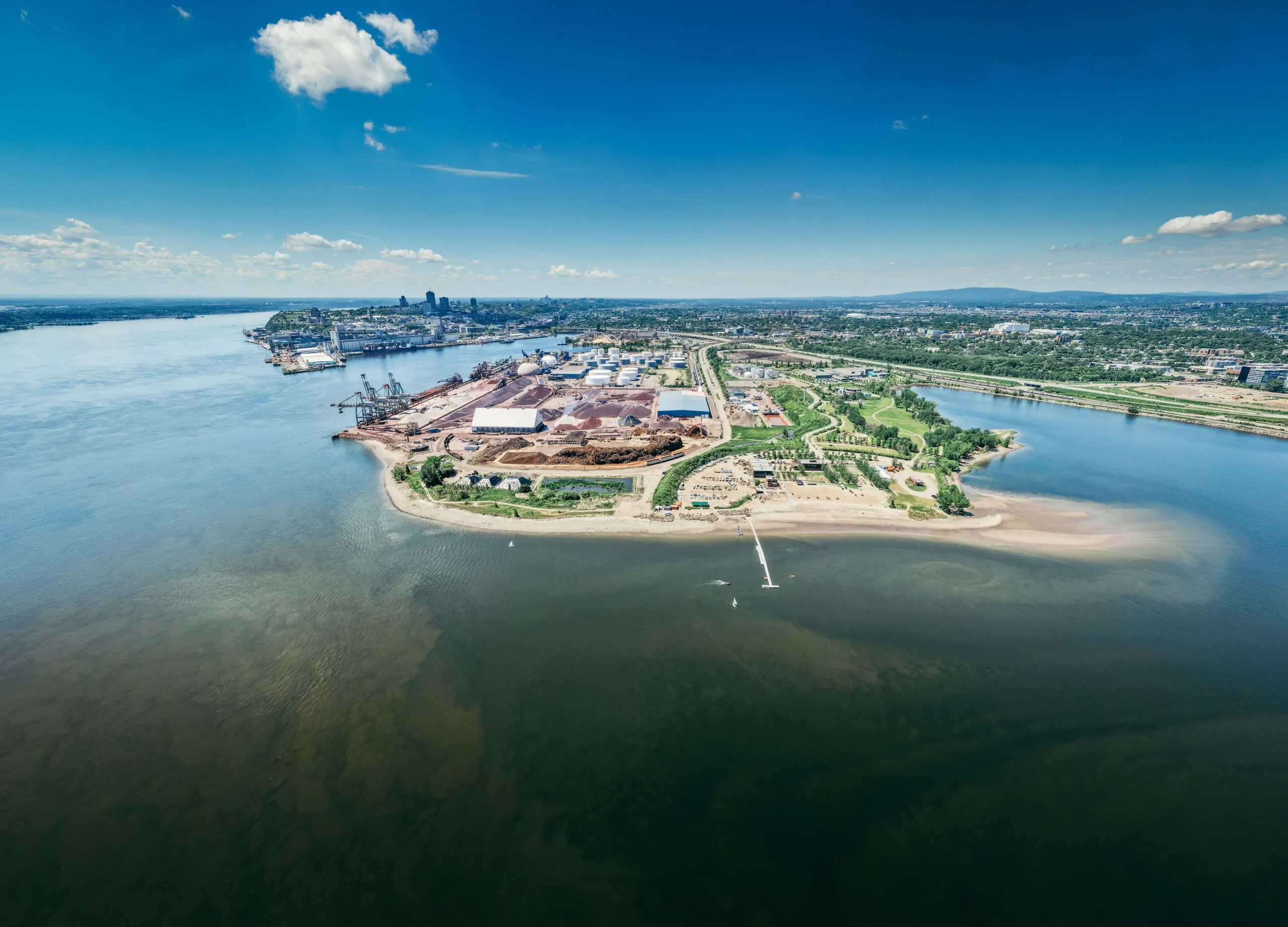
Over the past few months, residents, local groups, and community representatives have shared their questions—and sometimes their concerns—with me about the proposed container terminal project in the Beauport sector. It’s perfectly natural to be uncertain and want to understand how a project might affect your neighbourhood. It’s also valid to want to be heard and to make sure that decisions are backed by a rigorous, transparent, and comprehensive analysis.
A rigorous process for every decision
As a port authority, our role is clearly defined by federal law. When a project is proposed on land we manage, we are required to conduct an environmental assessment before any decisions can be made.
Our role isn’t to promote projects, but rather to assess them objectively and scientifically. That means examining their potential effects and identifying possible impacts, then determining how to mitigate them and, when necessary, setting specific conditions to ensure they are carried out responsibly.
In this case, the Impact Assessment Agency of Canada has confirmed that this approach is suitable for examining the project’s potential effects. It acknowledges that certain issues will require special attention, like human health, air quality, and cumulative effects in an environment that is already affected by various industrial and transportation activities. These factors have been brought up in recent reports that will shape the assessment of this project. These issues, as well as past studies, aren’t being ignored or downplayed. They are fundamental to the process that is just beginning.
Early stages
I want to reiterate that decisions have not been made and conclusions have not been reached.
The project notice is the starting point of a roughly one-year process that will include numerous opportunities to hear from, and share information with, the public. First Nations, citizens, organizations, and local stakeholders will be invited to participate right from the start so that their concerns and their knowledge of the area can inform the assessment.
We also appreciate the work that has already been done and the concerns that have been raised over the years. These factors will be taken seriously; in fact, they will be central to the analyses involved in the assessment process.
Co-creating an approach with experts and the community
Why involve the public so early on?
Because no one knows a place better than the people who live, work, and go about their lives there every day.
The realities of the neighbourhood, the day-to-day challenges, and the community’s concerns are all invaluable sources of information. That local knowledge helps guide studies, identify issues that need further exploration, and ground the assessment in the community’s lived experience.
That is why citizen participation isn’t just a single step or a box to check, but a cornerstone of the entire process.
I strongly believe that the best decisions are made when every perspective is considered. That’s why we are creating more opportunities to dialogue with the public. I have also requested that we reach out to certain public bodies to further our understanding of the issues and enhance the analyses that will inform our decisions.
Better-informed decisions thanks to you
Some citizens have wondered whether their participation can actually make a difference.
Simply put, the answer is yes.
Every question you ask, every comment you make, and every concern you raise sheds new light on our shared assessment. We know that every contribution comes from someone who knows and loves their community and wants to help shape its future. Your voices don’t just matter—they’re essential. They help us better understand local realities, identify what the public is concerned about, and steer the analyses for this project.
Dialogue, transparency, and respect for different perspectives are crucial to building an approach citizens can trust.
It’s in this spirit that we are starting the process. It will still be rigorous, of course, but we will also keep the openness and humility needed to learn from the community and listen to the people who make it.
It’s important to take the time to listen before making decisions.
– Olga Farman